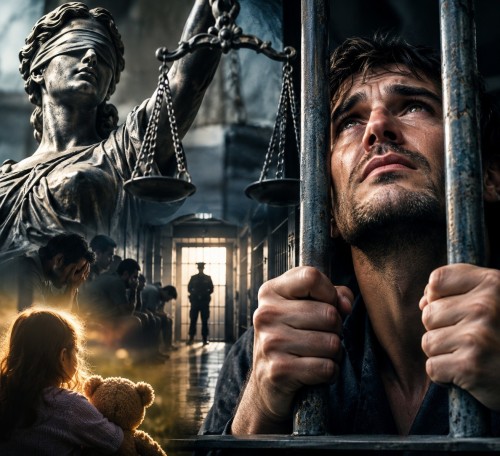
Milosevic, the first head of state to be called to justice before an international tribunal, has refused to recognise the authority of the court and plans to defend himself before the three-member panel of judges.
The former Yugoslav president is expected to make his opening statement on Wednesday.
On Tuesday, the U.N.’s chief prosecutor accused Milosevic of being "responsible for the worst crimes known to humankind."
Milosevic is charged with crimes against humanity in Croatia and Kosovo, and genocide in Bosnia.
It is the biggest European war crimes trial since Hitler’s henchmen were tried at Nuremberg after World War II.
"Today as never before, we see international justice in action," Carla Del Ponte said in her opening statement on Tuesday. His case, she said, would be a powerful demonstration that "no one is above the law" or beyond the reach of justice.
Del Ponte said her task was to "allow the voice of the victims to be heard. Many of the victims cannot come to you because they did not survive."
"These crimes touch every one of us wherever we live because they offend against our deepest principle of human rights and human dignity," she said.
"We should pause to recall daily scenes of grief and suffering in former Yugoslavia. The events themselves were notorious and a new term -- ethnic cleansing -- came into common use in our language.
"Our unique contribution is to bring to justice the persons responsible for the worst crimes known to humankind."
Prosecutor Geoffrey Nice said Milosevic viewed what was happening "from the distance of high political office" and Milosevic "had these crimes committed for him by others."
"The issue is or may be did he know they were happening. Of course he did. Not only would all matters have been reported to him, but in these days when press, radio and television bring wars to our homes as they occur, he can’t not have heard.
"Therefore the question is, if the chamber is in due course satisfied that he lay behind what was happening, why did he continue and why did he not stop these things that were occurring?"
Hundreds of journalists, international officials, lawyers and human rights activists converged for the start of a trial expected to last at least two years. (MORE...)


Ultimi Articoli

Youth and Future a Palazzo Reale: le parole dei giovani diventano opere d’arte

Fibra ottica in provincia di Como: 145 comuni nel Piano Bul, oltre 144.000 immobili attivabili
Leone, il neonato ritrovato a Cinisello Balsamo respira senza supporto
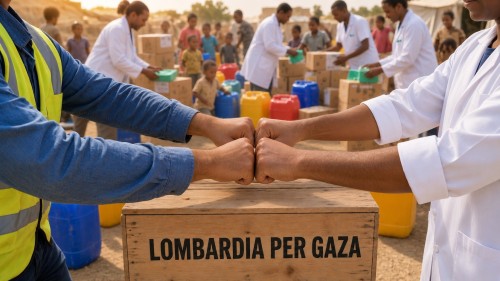
Gaza, dalla Lombardia altri 150mila euro per acqua e assistenza agli sfollati
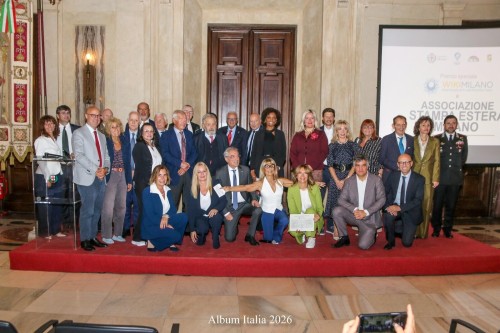
Milano premia i suoi protagonisti: a Palazzo Marino otto “Volti della Metropoli” che raccontano il futuro della città

Premio Volti della Metropoli: a Palazzo Marino i riconoscimenti alla VI edizione
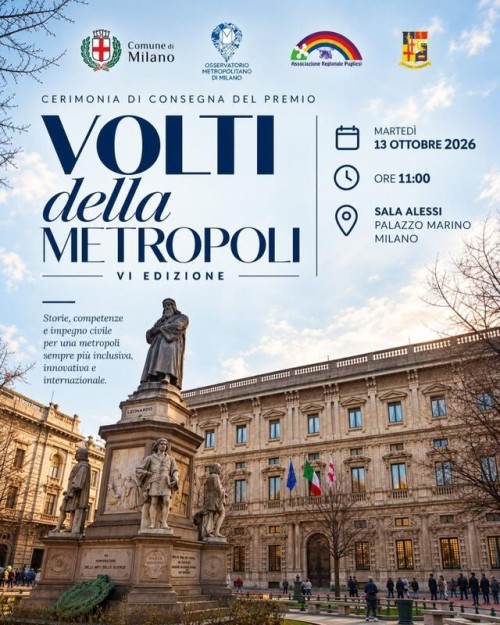
Milano celebra i suoi protagonisti: torna il Premio “Volti della Metropoli”
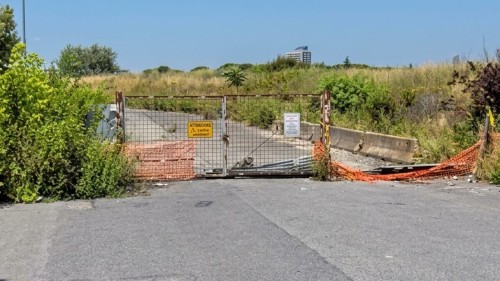
Roma, talenti, Via Antamoro, vent’anni di attesa: ma chi paga il prezzo delle promesse rimaste sulla carta?

Winners Cup 2026, oltre 200 giovani pazienti oncologici in campo a Milano