PHUKET, Thailand -- Anders Ericsson still remembers the last words his 2-year-old son, Ragnar, spoke before being washed away in the waves of Thailand's tsunami.
"Daddy, I'm scared. Please help." Ericsson's voice breaks as he tells of the tragedy.
He is among many anguished parents searching for their children after the earthquake-triggered tsunamis swept through coastal communities from Thailand to East Africa on December 26, killing more than 155,000 people.
Ericsson, visiting from Norway, struggled to maintain his grip on his son when the waves slammed into the resort where his family was staying in Khao Lak.
Debris floated everywhere, and "the water was crazy," he said. "You were up, you were down."
Ragnar was torn from his father's grip.
"Since he was smaller than me, he just drifted away," Ericsson said.
The boy has not been seen since, but his father vows to find him dead or alive.
"That's what I owe him, as his father," he told CNN's "American Morning" on Wednesday.
Ragnar bears a striking resemblance to the 20-month-old Swedish boy, Hannes Bergstrom, who made headlines around the world when he turned up in a Phuket hospital.
"At first, we thought he was our son," Ericsson said. "We went to Phuket and found out otherwise."
Hannes has been reunited since with relatives.
CNN - http://www.cnn.com/WORLD/
Articoli Correlati
Ultimi Articoli

Fibra ottica in provincia di Como: 145 comuni nel Piano Bul, oltre 144.000 immobili attivabili
Leone, il neonato ritrovato a Cinisello Balsamo respira senza supporto
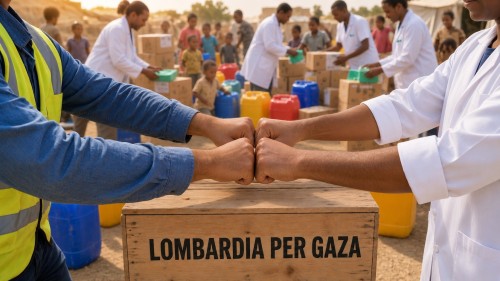
Gaza, dalla Lombardia altri 150mila euro per acqua e assistenza agli sfollati
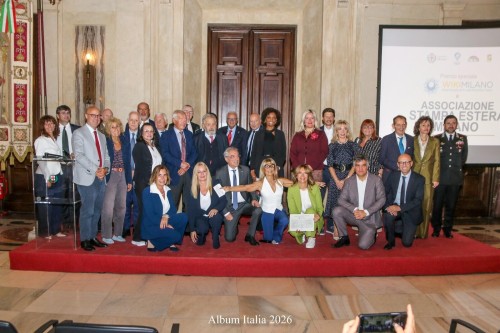
Milano premia i suoi protagonisti: a Palazzo Marino otto “Volti della Metropoli” che raccontano il futuro della città

Premio Volti della Metropoli: a Palazzo Marino i riconoscimenti alla VI edizione

Milano celebra i suoi protagonisti: torna il Premio “Volti della Metropoli”
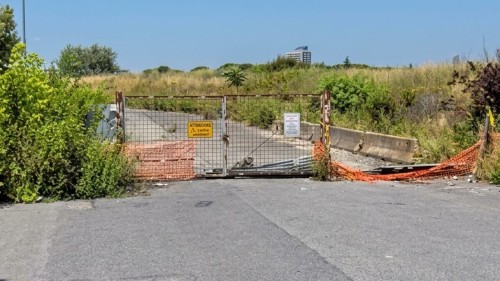
Roma, talenti, Via Antamoro, vent’anni di attesa: ma chi paga il prezzo delle promesse rimaste sulla carta?
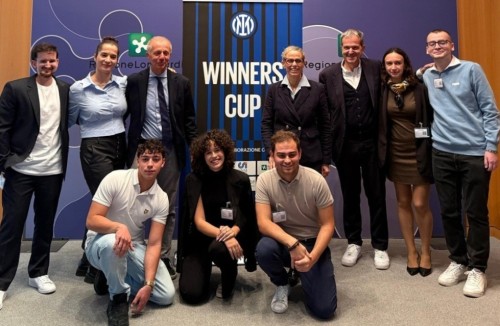
Winners Cup 2026, oltre 200 giovani pazienti oncologici in campo a Milano

GAROFANO, IL RIS E QUELLE DOMANDE CHE IL GIORNALISMO NON PUÒ PIÙ ELUDERE.